hine
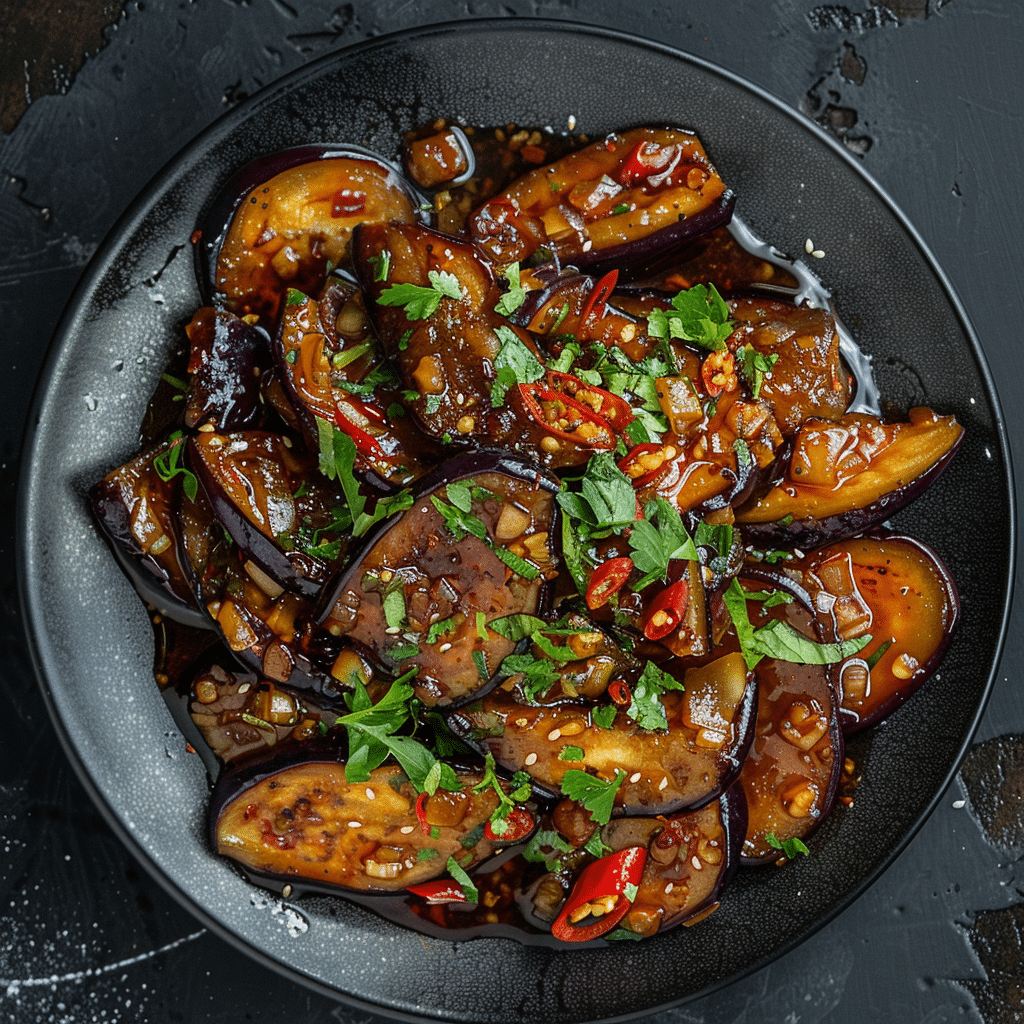
Sautéed Chinese Eggplant in Garlic Sauce: A Flavor Explosion is one of those dishes that instantly proves vegetables can be just as indulgent, comforting, and satisfying as any meat-based entrée. Found on countless Chinese restaurant menus, this dish is known for its tender eggplant, glossy sauce, and bold garlic-forward aroma that fills the kitchen the moment it hits the heat.
What makes this recipe especially special is its balance. The eggplant is soft and silky without being greasy, the sauce is savory with just the right hint of sweetness, and the garlic and aromatics create layers of flavor that linger long after the last bite. Served over warm steamed rice, this dish becomes a complete and deeply comforting meal.
Many restaurant versions rely on deep-frying the eggplant to achieve that melt-in-your-mouth texture. While undeniably delicious, that method often results in an overly oily dish. This homemade version achieves the same luxurious texture by pan-searing the eggplant instead. The result is lighter, cleaner, and just as flavorful—if not more so.
If you’ve ever hesitated to cook eggplant at home because it absorbs oil too easily or turns mushy, Sautéed Chinese Eggplant in Garlic Sauce: A Flavor Explosion will completely change your mind. With the right technique and a thoughtfully balanced sauce, eggplant transforms into something truly crave-worthy.
What Makes This Dish So Special?
There’s a reason this dish has become a staple far beyond its regional roots. It delivers everything you want in a great vegetable recipe:
- Deep umami flavor
- A silky, tender texture
- A rich but not overpowering sauce
- A strong garlic presence without bitterness
- Flexibility for different diets and preferences
The sauce clings to each piece of eggplant, pooling slightly at the bottom of the plate—perfect for spooning over rice. The garlic is layered into the dish in two stages, creating both a mellow sweetness and a sharper, aromatic punch.
Choosing the Right Eggplant
For Sautéed Chinese Eggplant in Garlic Sauce: A Flavor Explosion, long, slender varieties work best. Chinese or Japanese eggplants are ideal because they have:
- Thin skins
- Fewer seeds
- A naturally sweeter flavor
- Faster cooking time
Their tender flesh becomes creamy when cooked, making them perfect for absorbing sauce. If you can’t find these varieties, standard globe eggplant can be used, though it may require a slightly longer cooking time and a bit of added moisture to soften fully.
Time Overview
- Prep Time: 15 minutes
- Cook Time: 25 minutes
- Total Time: 40 minutes
- Servings: 4
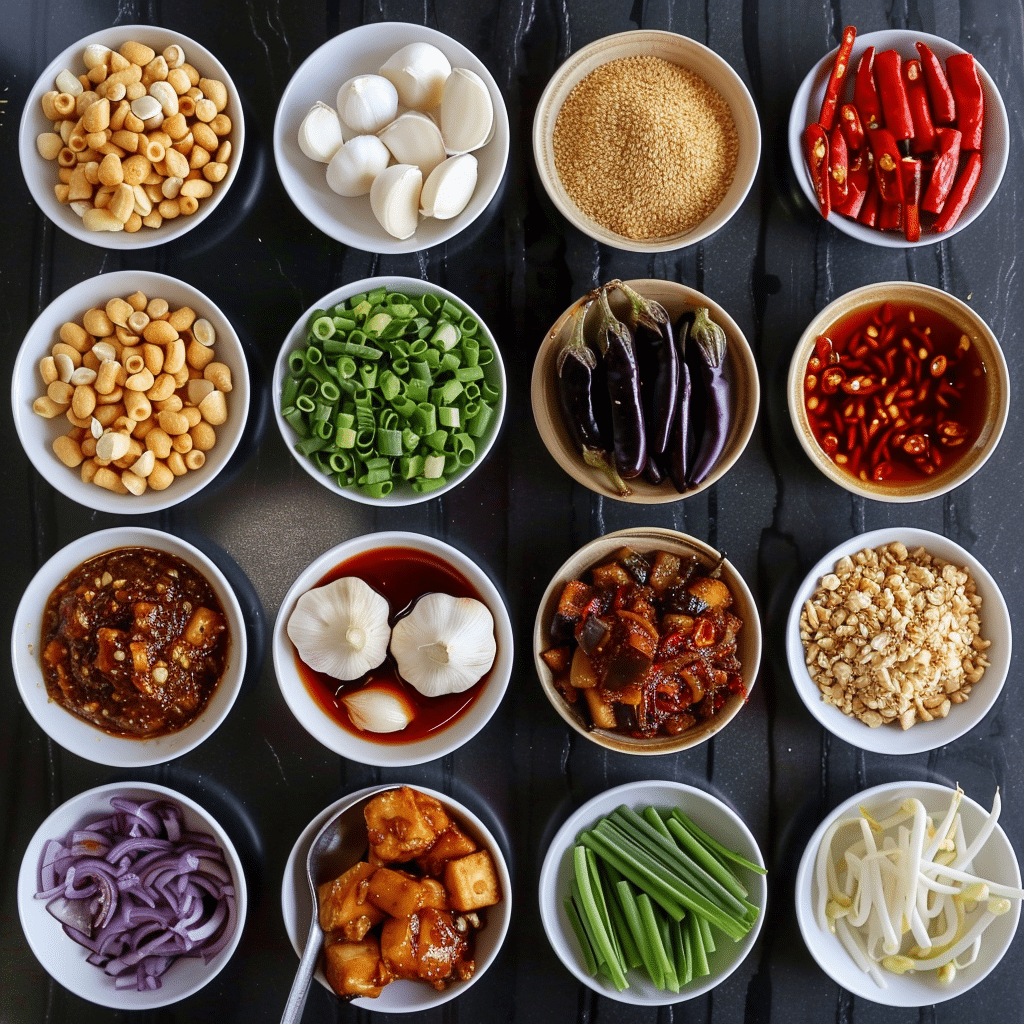
Ingredients (With Measurements)
For the Garlic Sauce
- ½ cup hot water
- 1 tablespoon granulated sugar
- 1 tablespoon cornstarch
- 1½ tablespoons oyster-style sauce
- 1 tablespoon rice vinegar
- 1 tablespoon cooking wine or dry sherry
- 1 tablespoon light soy sauce
- 1 teaspoon sesame oil
- ½ teaspoon dark soy sauce
- ⅛ teaspoon white pepper
- 2 tablespoons garlic, finely minced (divided)
For the Eggplant Stir-Fry
- 1 pound Chinese or Japanese eggplants (about 2–3 eggplants)
- 4½ tablespoons neutral oil (such as canola, vegetable, avocado, or peanut oil)
- 4 ounces ground chicken or turkey (optional)
- 2 teaspoons fresh ginger, minced
- 5–10 dried red chilies, sliced (adjust to taste)
- 2 scallions, chopped
Step-by-Step Instructions
Step 1: Prepare the Garlic Sauce
In a small bowl, add the hot water and sugar, stirring until fully dissolved. Add the cornstarch and whisk until smooth. Then add the oyster-style sauce, rice vinegar, cooking wine, light soy sauce, sesame oil, dark soy sauce, and white pepper. Stir well. Mix in 1 tablespoon of the minced garlic, reserving the remaining garlic for later. Set the sauce aside.
Step 2: Cut the Eggplant
Trim the ends off the eggplants. Cut them on a diagonal into bite-size triangular pieces, rotating the eggplant with each cut. This shape increases surface area, helping the eggplant brown evenly and absorb more sauce. Avoid leaving the eggplant exposed too long before cooking to prevent browning.
Step 3: Heat the Pan
Heat a wok or large skillet over medium-high heat until lightly smoking. Add 1½ tablespoons of oil, swirling it around the pan to coat evenly.
Step 4: Sear the Eggplant (First Stage)
Spread the eggplant in a single layer. Reduce heat to medium and cook for 3–4 minutes, stirring occasionally, until lightly browned on the cut sides.
Step 5: Continue Searing (Second Stage)
Add another 1½ tablespoons of oil around the pan. Continue cooking the eggplant for another 4 minutes, stirring occasionally, until soft, slightly translucent, and evenly seared. Remove the eggplant from the pan and set aside.
Step 6: Cook the Protein (Optional)
Increase the heat to high. Add the remaining 1½ tablespoons of oil. Add the ground chicken or turkey, if using, breaking it up as it cooks. Cook until opaque and lightly browned.
Step 7: Add Aromatics
Add the minced ginger, dried red chilies, and the remaining 1 tablespoon garlic. Stir continuously for 1–2 minutes until fragrant and lightly toasted.
Step 8: Combine Eggplant and Sauce
Return the eggplant to the pan and toss gently to combine with the aromatics. Stir the prepared sauce again to ensure the cornstarch is fully incorporated, then pour it into the pan.
Step 9: Simmer and Thicken
Bring the mixture to a gentle simmer. Cook for 2–3 minutes, stirring frequently, until the sauce thickens enough to coat a spoon and cling to the eggplant.
Step 10: Finish and Serve
Stir in the chopped scallions. Remove from heat and serve immediately over steamed rice.
Serving Suggestions
Sautéed Chinese Eggplant in Garlic Sauce: A Flavor Explosion shines brightest when paired with simple sides that let the sauce take center stage:
- Steamed jasmine rice
- Plain noodles
- Stir-fried greens
- Light cucumber salad
This dish can be served as a main course or as part of a larger shared meal.
Storage and Reheating
- Refrigerator: Store in an airtight container for up to 4 days
- Reheating: Microwave or gently reheat in a covered pan over low heat
- Flavor improves: The sauce deepens and becomes even more savory the next day
Tips for the Best Results
- Cut eggplant evenly for consistent cooking
- Avoid overcrowding the pan—cook in batches if needed
- Stir sauce before adding to redistribute cornstarch
- Add water if eggplant needs extra steaming
- Adjust chilies to control heat level
Why This Recipe Works
This dish succeeds because it respects the nature of eggplant. Instead of forcing it to fry in excess oil, the recipe uses controlled searing and gentle simmering. The sauce is layered thoughtfully, with garlic added in stages for depth and complexity.
The result is exactly what the name promises: Sautéed Chinese Eggplant in Garlic Sauce: A Flavor Explosion—bold, savory, comforting, and unforgettable.