Introduction
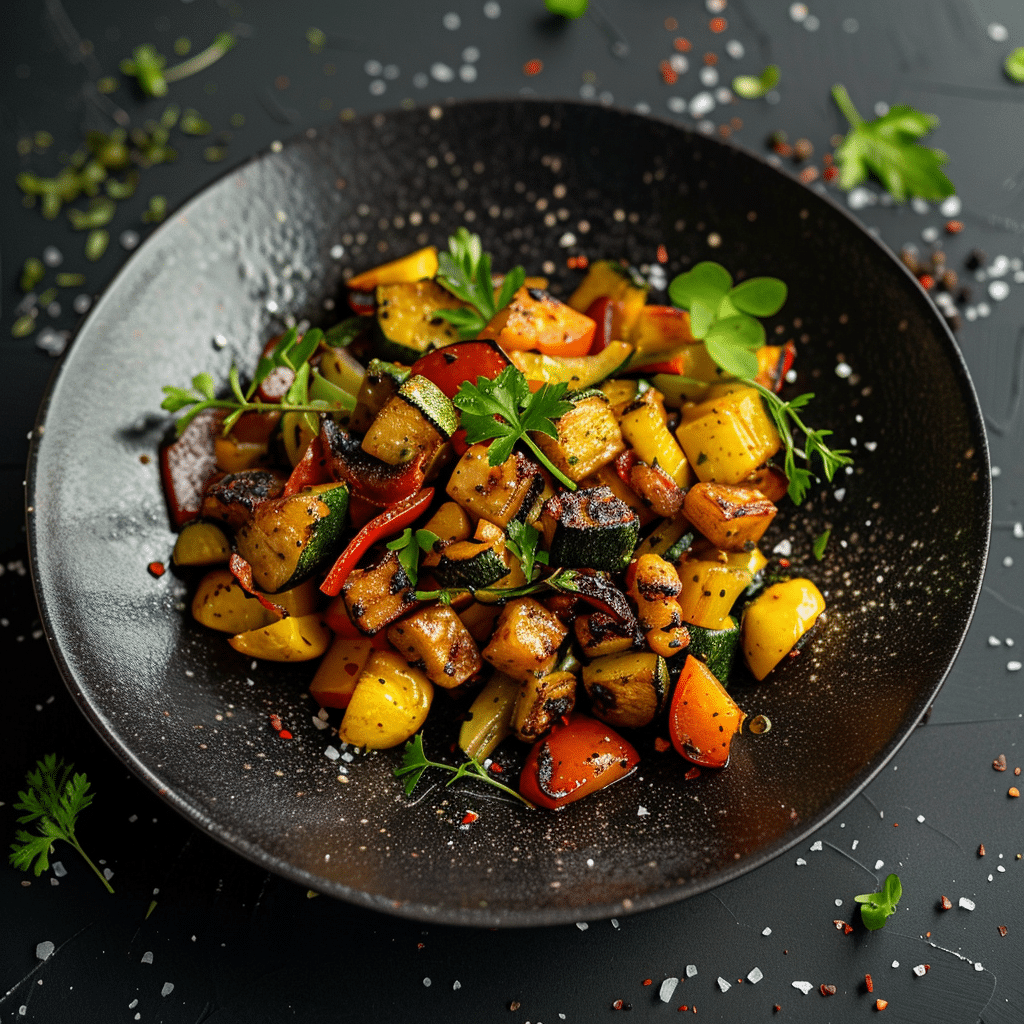
Sauteed Vegetables are one of those timeless kitchen staples that never go out of style. They are quick enough for busy weeknights, flexible enough to adapt to whatever produce you have on hand, and flavorful enough to serve proudly alongside almost any main dish. Whether you are cooking for yourself, your family, or guests, a well-made plate of Sauteed Vegetables instantly adds color, texture, and balance to the table.
What makes Sauteed Vegetables so appealing is their simplicity. With just a handful of everyday ingredients and the right technique, you can transform raw vegetables into tender, lightly caramelized bites with rich flavor and satisfying texture. The gentle browning that happens in the pan enhances natural sweetness, while aromatic ingredients like onion and garlic bring everything together into a comforting, savory side.
This Sauteed Vegetables recipe is designed to be approachable for beginners while still offering enough depth for experienced home cooks. It focuses on technique just as much as ingredients, helping you understand why each step matters. Once you master this method, you can mix and match vegetables endlessly and create your own variations without ever getting bored.
Throughout this guide, the keyword Sauteed Vegetables is emphasized not only as a recipe name, but as a cooking concept you can return to again and again. By the end, you’ll feel confident making Sauteed Vegetables that are vibrant, well-seasoned, and perfectly cooked every time.
Why You’ll Love These Sauteed Vegetables
There are countless reasons Sauteed Vegetables deserve a permanent place in your cooking routine:
- Reliable texture: These vegetables are tender yet slightly crisp, never soggy or overcooked.
- Balanced flavor: A combination of olive oil, butter, onion, and garlic creates depth without overpowering the vegetables.
- Flexible ingredients: This recipe works with many vegetable combinations, making it ideal for clearing out the fridge.
- Quick cooking: From prep to plate, these Sauteed Vegetables are ready in about 20 minutes.
- Versatile serving options: Serve them as a side, mix them into grains, or spoon them over proteins.
Because Sauteed Vegetables rely on technique rather than strict rules, they become easier and more intuitive every time you make them.
Ingredients (With Measurements)
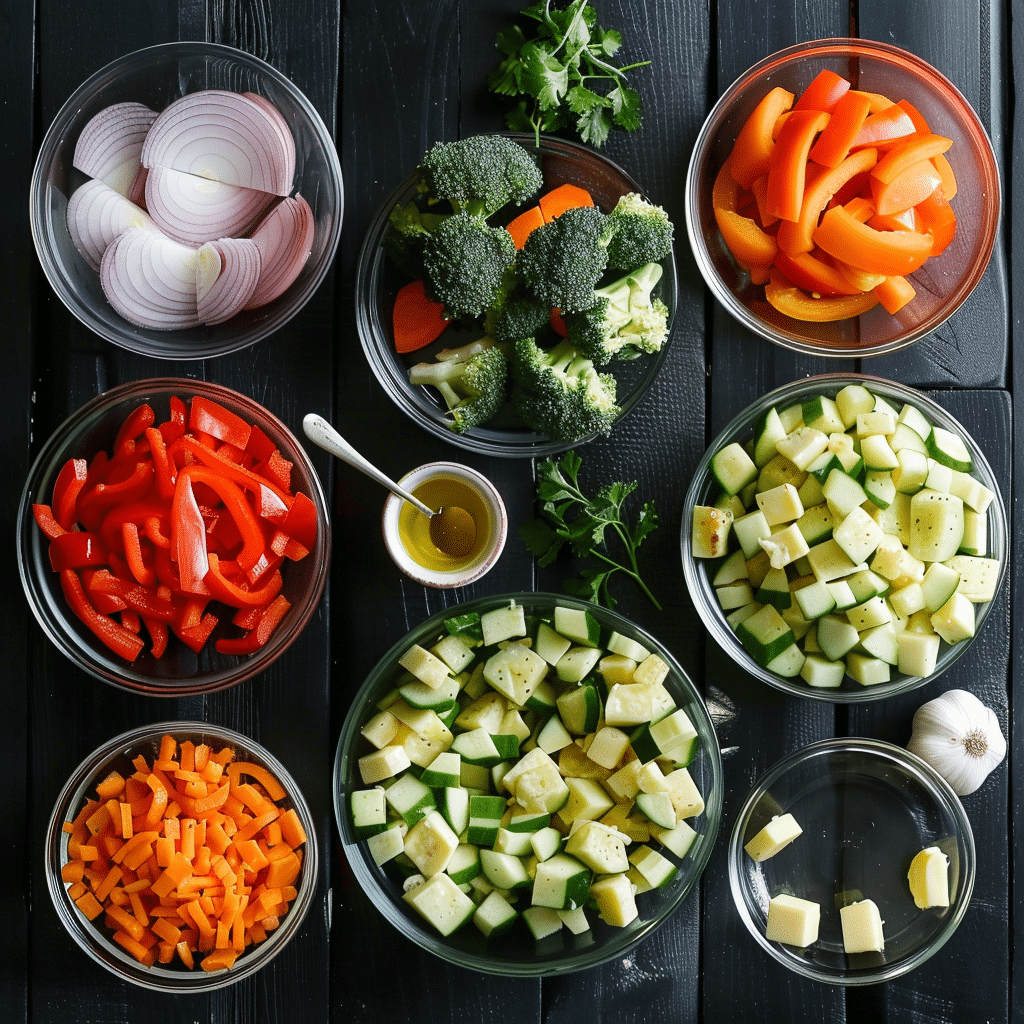
To make this classic Sauteed Vegetables recipe, you will need the following ingredients:
- 2 tablespoons olive oil
- 1/2 large red onion, cut into 1-inch pieces with layers separated
- 2 medium carrots, thinly sliced
- 1 large red bell pepper, cut into strips
- 1 cup broccoli florets (medium-sized)
- 1 cup cauliflower florets (medium-sized)
- 1 cup cremini mushrooms, sliced
- 1 medium zucchini, sliced into 1/4-inch rounds
- 2 tablespoons unsalted butter
- 2 cloves garlic, finely minced
- 1/2 teaspoon sea salt (adjust to taste)
- 1/4 teaspoon black pepper (adjust to taste)
- Fresh parsley, finely chopped (optional garnish)
These ingredients form a balanced mix of firm and tender vegetables, allowing you to practice proper timing while making Sauteed Vegetables.
Understanding Vegetable Timing
One of the most important secrets to excellent Sauteed Vegetables is understanding that not all vegetables cook at the same speed. Adding everything at once can lead to uneven texture. Instead, vegetables are grouped by firmness.
- Firm vegetables: Carrots and onions take longer to soften and benefit from early exposure to heat.
- Medium vegetables: Bell peppers, broccoli, and cauliflower cook at a moderate pace.
- Quick-cooking vegetables: Mushrooms and zucchini release moisture and soften quickly.
By layering vegetables into the pan at the right time, your Sauteed Vegetables will cook evenly and develop better flavor.
Step-by-Step Instructions
Step 1: Heat the Pan
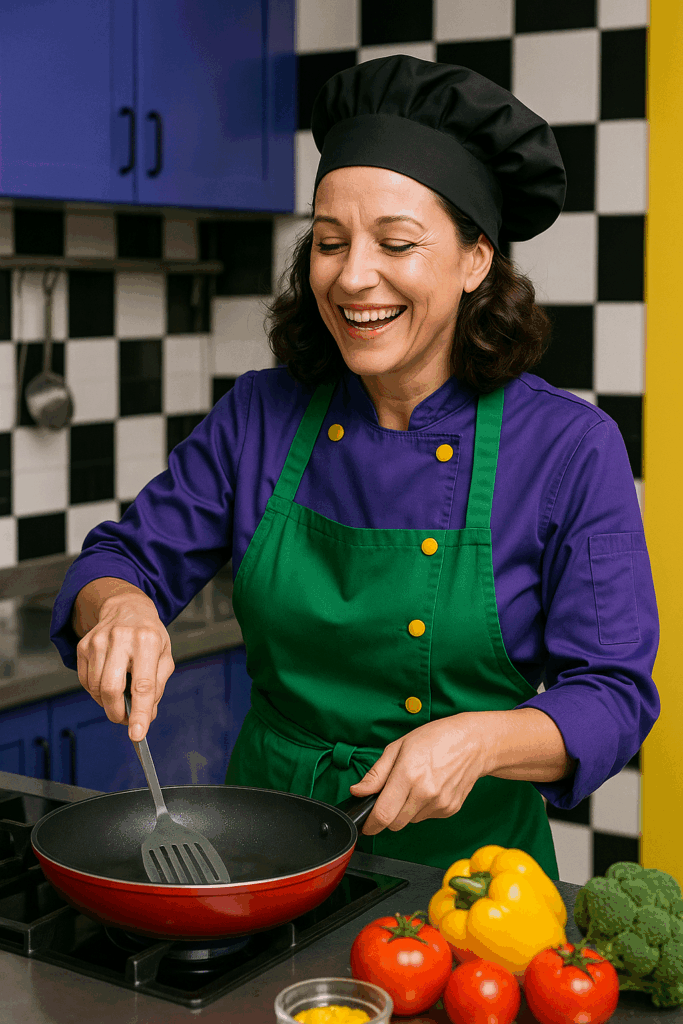
Place a large skillet or sauté pan over medium-high heat. Add the olive oil and allow it to heat until it shimmers slightly. This ensures the vegetables begin cooking immediately upon contact, which helps with browning.
Step 2: Cook the Firm Vegetables
Add the sliced carrots and red onion to the hot pan. Spread them out evenly and let them cook for 5–7 minutes, stirring occasionally. Avoid constant stirring, as this prevents caramelization. The vegetables should begin to soften and lightly brown.
Step 3: Add the Remaining Vegetables
Add the bell pepper, broccoli, cauliflower, mushrooms, and zucchini to the pan. Stir gently to combine with the carrots and onions. Cook for another 6–8 minutes, stirring occasionally, until the vegetables are tender with lightly browned edges.
Step 4: Lower the Heat
Reduce the heat to medium-low. Push the vegetables toward the edges of the pan, creating an open space in the center. This step prepares the pan for the flavor-building ingredients.
Step 5: Melt the Butter and Cook Garlic
Add the butter to the center of the pan and allow it to melt fully. Add the minced garlic directly into the melted butter and cook for about 1 minute, until fragrant. Be careful not to let the garlic burn.
Step 6: Combine and Season
Stir the vegetables together so they are coated evenly with the garlic butter. Remove the pan from heat. Season with sea salt and black pepper to taste.
Step 7: Finish and Serve
Transfer the Sauteed Vegetables to a serving dish. Garnish with freshly chopped parsley if desired. Serve immediately for the best texture and flavor.
Tips for Perfect Sauteed Vegetables
- Use high heat at first: This helps evaporate surface moisture and encourages browning.
- Avoid overcrowding the pan: If your skillet is too small, cook in batches.
- Season at the end: This helps prevent excess moisture and improves caramelization.
- Cut evenly: Uniform sizes ensure even cooking.
Mastering these tips will elevate your Sauteed Vegetables from simple to exceptional.
Flavor Variations
Once you are comfortable with the base recipe, try these variations:
- Add a pinch of paprika or cumin for warmth.
- Finish with a squeeze of lemon juice for brightness.
- Toss with fresh herbs such as thyme, basil, or dill.
- Sprinkle with grated cheese just before serving.
These small changes keep Sauteed Vegetables exciting while using the same core technique.
Serving Ideas
Sauteed Vegetables pair beautifully with rice, pasta, or potatoes. They can also be folded into omelets, layered into wraps, or served alongside grilled or roasted dishes. Their versatility makes them suitable for both casual meals and special occasions.
Final Thoughts
Sauteed Vegetables are more than just a side dish—they are a foundational cooking skill. With the right timing, heat, and seasoning, you can turn simple produce into something deeply satisfying. This recipe offers a dependable method you can return to whenever you need a quick, wholesome, and flavorful addition to your meal.
By mastering this Sauteed Vegetables recipe, you open the door to endless variations and creative combinations that fit your taste, your schedule, and your kitchen.