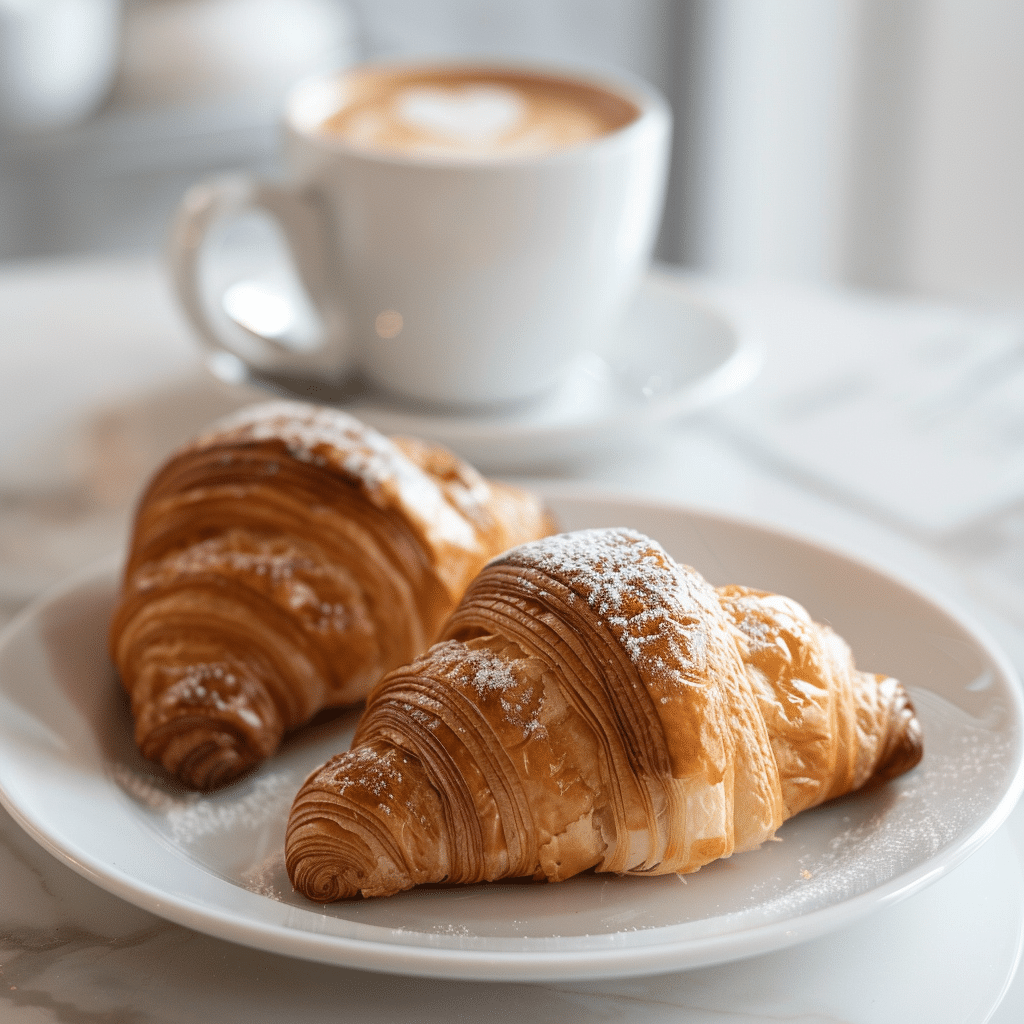
Few breakfast foods are as iconic, indulgent, and universally loved as French croissants. Light, flaky, buttery, and delicately crisp on the outside, croissants represent the pinnacle of classic French baking. While they may look intimidating at first glance, making authentic French croissants at home is an incredibly rewarding experience—especially when you bite into one fresh from the oven during a slow, cozy breakfast.
This French croissants breakfast recipe is designed for home bakers who want to understand the process deeply, not just follow instructions blindly. Croissants are not rushed pastries. They rely on patience, temperature control, and technique to create those beautiful layers that shatter gently with each bite. Unlike simple breakfast rolls, croissants are laminated doughs, meaning butter is folded repeatedly into yeast dough to form dozens of thin layers that puff up dramatically when baked.
Why Homemade French Croissants Are Worth the Effort
Store-bought croissants can be convenient, but they rarely capture the magic of a freshly baked croissant eaten warm for breakfast. When made at home, French croissants have a crisp exterior, a soft honeycomb interior, and a rich buttery aroma that fills your kitchen. This breakfast recipe allows you to experience croissants the way they are meant to be enjoyed—fresh, golden, and made with care.
Another reason to try this recipe is control. When you bake French croissants at home, you choose the butter quality, the fermentation time, and the level of browning. You can enjoy them plain, with jam, honey, or butter, or turn them into a complete breakfast by serving them with coffee, fruit, or even eggs.
Understanding the Basics of French Croissant Dough
French croissants are part of a pastry category known as viennoiserie, which combines bread-making techniques with pastry lamination. The dough begins as a lightly sweetened yeast dough, known as détrempe. After the first rise, a cold butter block is enclosed inside the dough. Through a series of folds and rests, the butter and dough create thin alternating layers.
The most important elements in this breakfast recipe are temperature and patience. The dough and butter must remain cold yet pliable throughout the process. If the butter melts, the layers disappear. If the dough is too stiff, it tears and traps butter unevenly.
Ingredients That Make Perfect French Croissants
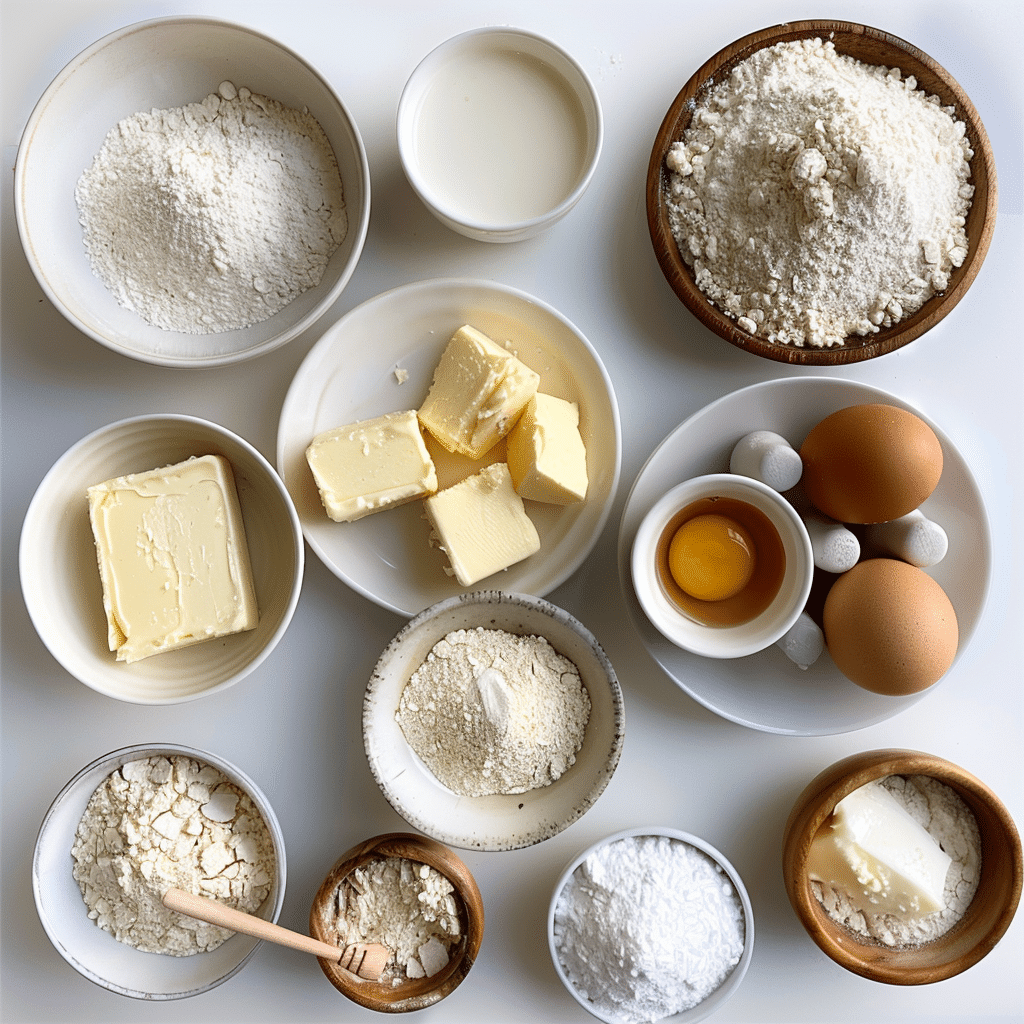
Ingredients (Makes about 12 croissants)
For the dough (détrempe):
- 4 cups (500 g) all-purpose flour
- ¼ cup (50 g) granulated sugar
- 2¼ teaspoons (7 g) instant dry yeast
- 1½ teaspoons salt
- 1 cup (240 ml) whole milk, lukewarm
- 2 tablespoons (30 g) unsalted butter, melted
For the butter layer (beurrage):
- 1 cup (225 g) unsalted butter, cold
For egg wash:
- 1 large egg
- 1 tablespoon milk
Step-by-Step Instructions
Step 1: Prepare the dough
In a large mixing bowl, combine the flour, sugar, yeast, and salt. Mix well.
Add the lukewarm milk and melted butter. Stir until a soft dough forms.
Step 2: Knead the dough
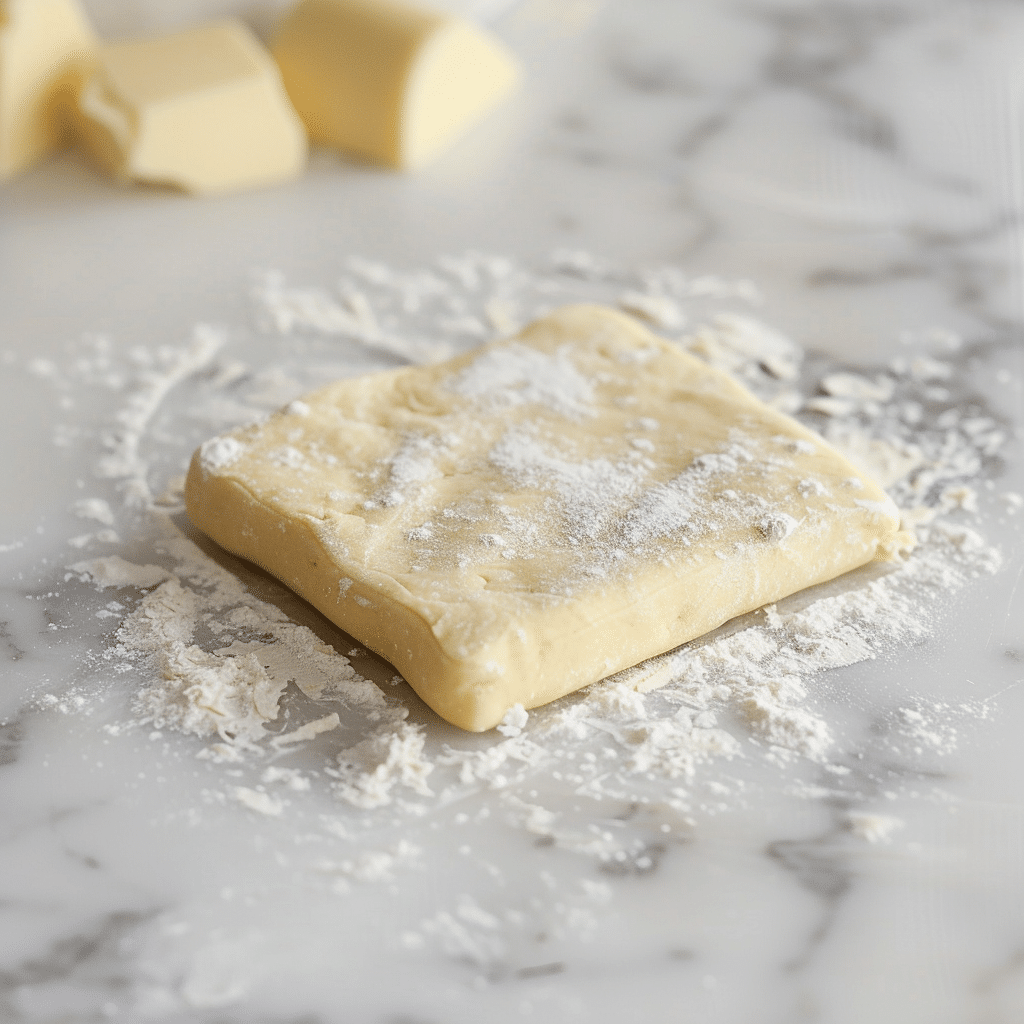
Transfer the dough to a lightly floured surface. Knead for about 8–10 minutes until smooth and elastic.
Form the dough into a ball.
Step 3: First rise
Place the dough in a lightly greased bowl. Cover with plastic wrap or a clean towel.
Let it rise at room temperature for 1½ to 2 hours, or until doubled in size.
Step 4: Chill the dough
Once risen, gently punch down the dough.
Wrap it tightly in plastic wrap and refrigerate for at least 1 hour (this makes rolling easier).
Step 5: Prepare the butter block
Place the cold butter between two sheets of parchment paper.
Using a rolling pin, flatten it into a 7 x 7 inch (18 x 18 cm) square.
Keep it refrigerated until firm but pliable.
Step 6: Enclose the butter
Roll the chilled dough into a 10 x 10 inch (25 x 25 cm) square.
Place the butter block in the center at a diagonal (diamond shape).
Fold the corners of the dough over the butter to fully seal it inside.
Step 7: First lamination (first fold)
Roll the dough gently into a 20 x 8 inch (50 x 20 cm) rectangle.
Fold the dough into thirds like a letter.
Wrap and refrigerate for 30 minutes.
Step 8: Second lamination
Turn the dough 90 degrees.
Roll again into a long rectangle and fold into thirds.
Wrap and refrigerate for 30 minutes.
Step 9: Third lamination
Repeat the rolling and folding one last time.
Wrap and refrigerate for at least 1 hour (or overnight for best flavor).
Step 10: Roll and shape the croissants
Roll the chilled dough into a ¼-inch (5 mm) thick rectangle.
Cut into long triangles (about 4 inches wide at the base).
Starting from the wide end, gently roll each triangle toward the tip.
Curve slightly to form a crescent shape.
Step 11: Final proof
Place croissants on a baking sheet lined with parchment paper.
Cover loosely and let rise for 1½–2 hours, until puffy and doubled in size.
Step 12: Egg wash
Whisk together the egg and milk.
Gently brush over the croissants, avoiding the cut edges.
Step 13: Bake
Preheat the oven to 375°F (190°C).
Bake for 18–22 minutes, until deeply golden brown and flaky.
Step 14: Cool and serve
Remove from the oven and let cool slightly on a wire rack.
Serve warm or at room temperature.
Baking and Serving French Croissants for Breakfast
Croissants are baked at a moderate temperature until deeply golden and crisp. As they bake, steam from the butter expands the layers, creating the airy structure inside.
Once out of the oven, it’s tempting to tear into them immediately, but letting them cool slightly allows the interior to set. Serve French croissants warm for breakfast with coffee, tea, or hot chocolate. They pair beautifully with fruit preserves, honey, or even savory fillings like cheese and ham.
Tips for Success
Patience is key. If the dough resists rolling, let it rest. If the butter softens too much, chill it again. Croissants reward careful handling and attention.
Even imperfect croissants are delicious. Each batch improves your understanding of the dough, making this breakfast recipe a skill worth practicing.
Final Thoughts
This French croissants breakfast recipe is not just about baking—it’s about embracing tradition, slowing down, and enjoying the process. The result is a timeless pastry that turns an ordinary morning into something special. Once you master homemade French croissants, your breakfast table will never feel the same again.